
March in the Dominican Republic is the absolute pinnacle of the Caribbean travel calendar. The weather hits a flawless meteorological sweet spot, the humidity drops to its annual low of 74%, and the ocean clarity is unmatched. It is the time of year when the glossy brochures actually match reality, drawing millions of travelers to the island’s shores.
However, traveling during this peak window requires serious strategic planning. The month is a chaotic, beautiful collision of massive cultural events, aggressive spring break crowds, and shifting environmental factors that can make or break a vacation. Relying solely on a basic resort package without understanding the on-the-ground dynamics is a guaranteed way to hit logistical roadblocks.
To navigate the island like a seasoned expert this month, travelers need to look beyond the standard itineraries. From bypassing the worst of the seasonal seaweed to knowing exactly which weeks to avoid the capital, here are the 5 critical realities of visiting the Dominican Republic in March 2026.

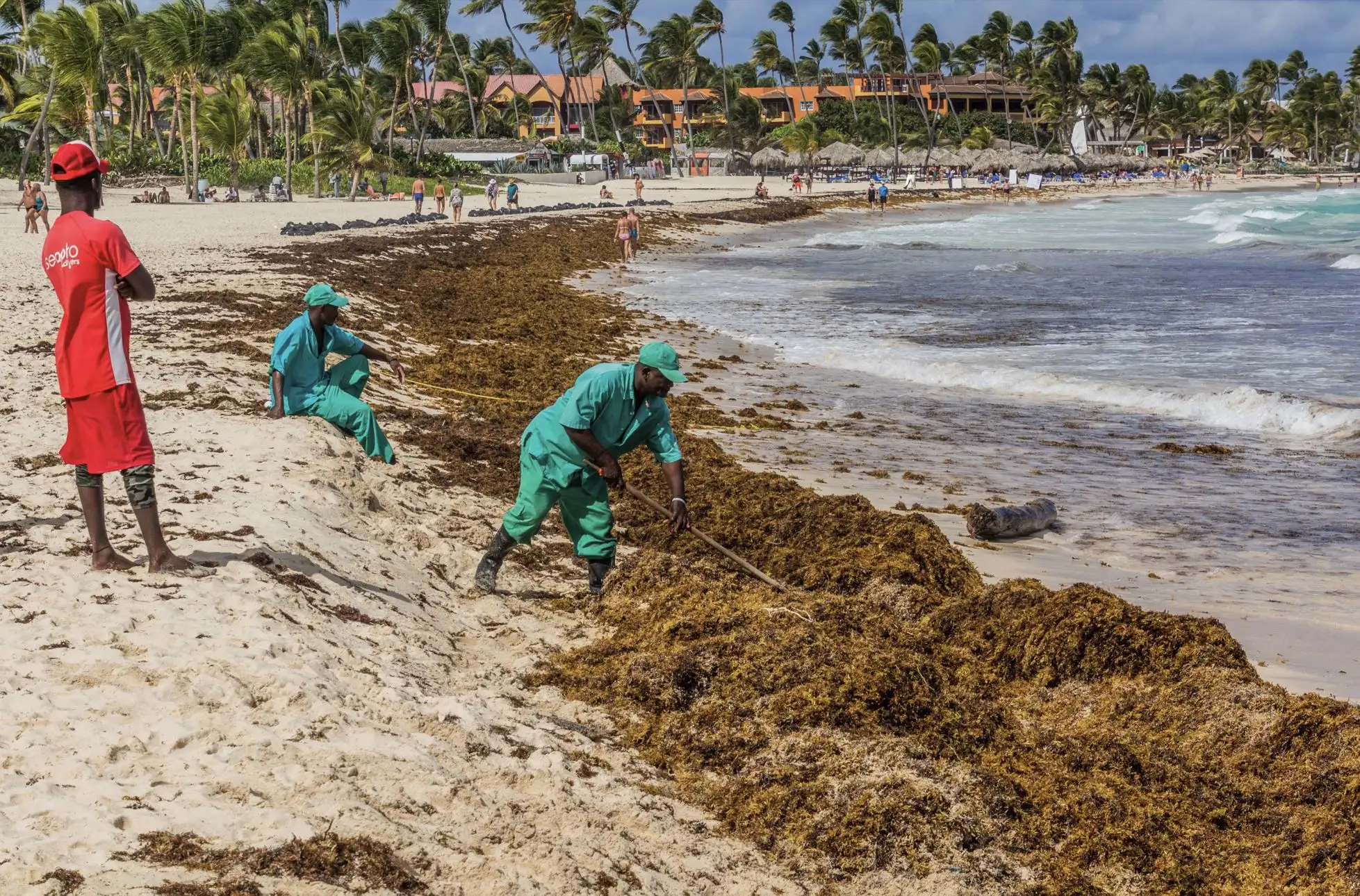
1. The East Coast Sargassum Problem Exists
While the skies are clear, the marine environment on the eastern coast is currently facing an influx of sargassum seaweed. The “Great Atlantic Sargassum Belt” is larger this year than in recent record-breaking seasons, pushing heavy, foul-smelling algae onto the beaches of Punta Cana and Bávaro.
- The Trap: Booking a luxury beachfront suite in Punta Cana expecting crystal-clear waters, only to find the shoreline choked with brown seaweed and the smell of sulfur.
- The Fix: Pivot travel plans to the southern coast. Destinations like Bayahibe and La Romana face westward, naturally shielding them from the Atlantic currents and providing 97-99% protection from the sargassum influx.

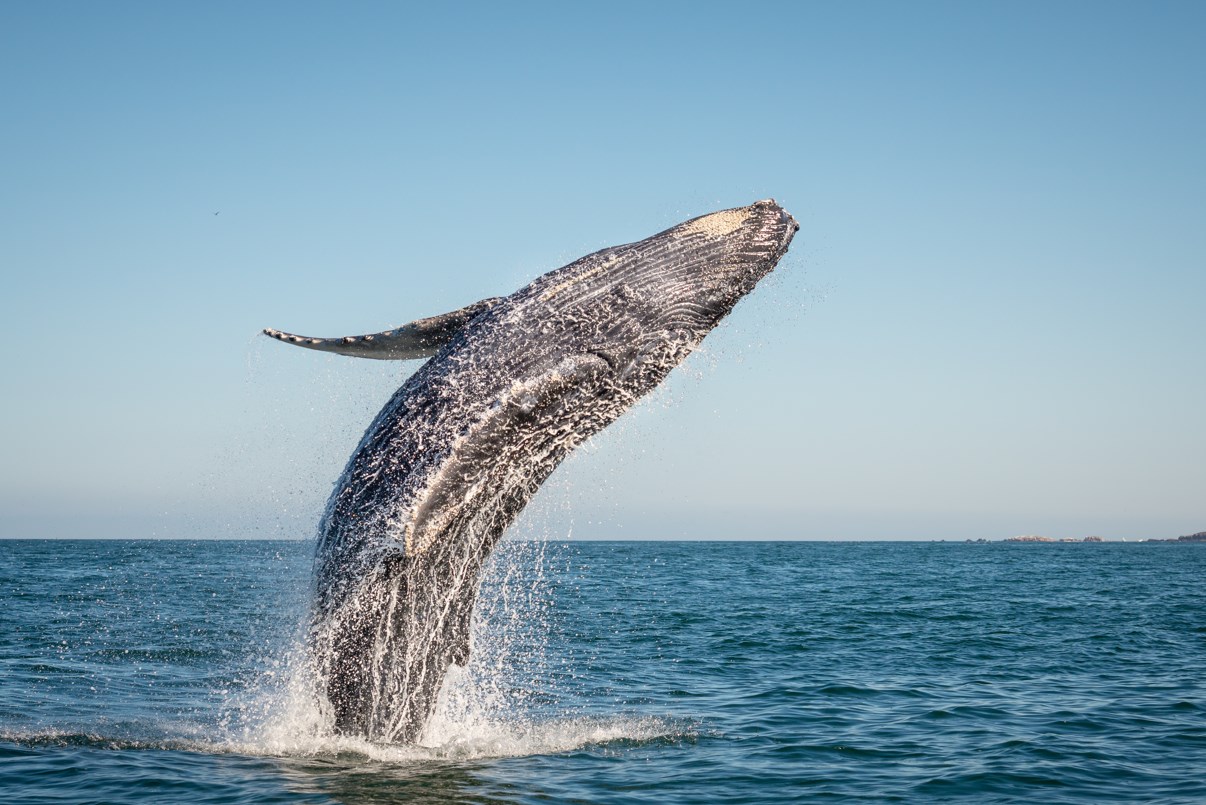
2. It Is Peak Whale Season in Samaná
March marks the spectacular finale of the North Atlantic humpback whale migration in the Samaná Peninsula. While February brings aggressive mating behaviors, March is the era of mothers and calves, offering a completely different and more intimate viewing experience before the pods migrate north on March 31.
- The Draw: Watching 15-foot newborn calves learn to breach and tail-slap alongside their massive mothers in the protected, warm waters of Samaná Bay.
- The Reality: Booking a whale excursion from major hubs like Punta Cana requires a grueling 10-to-12-hour round trip by land and sea, making it a massive time commitment for a single-day tour.

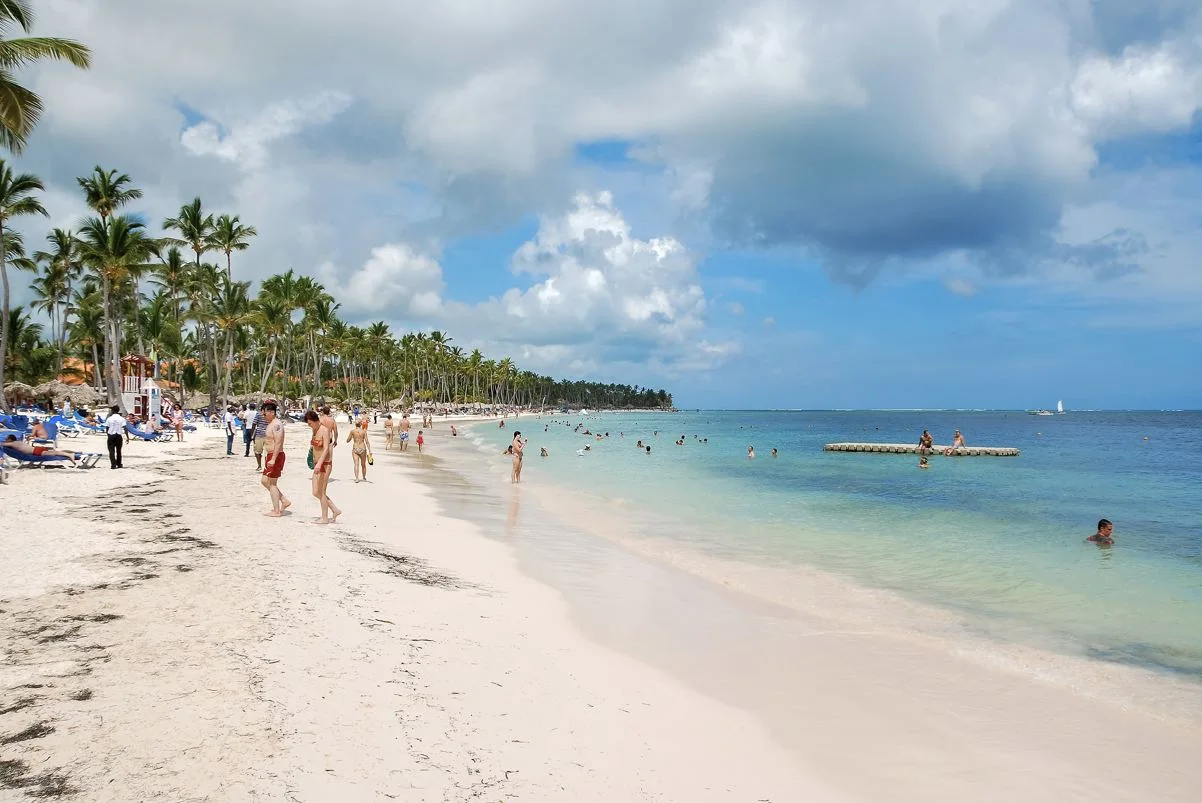
3. Spring Break Chaos vs. National Culture
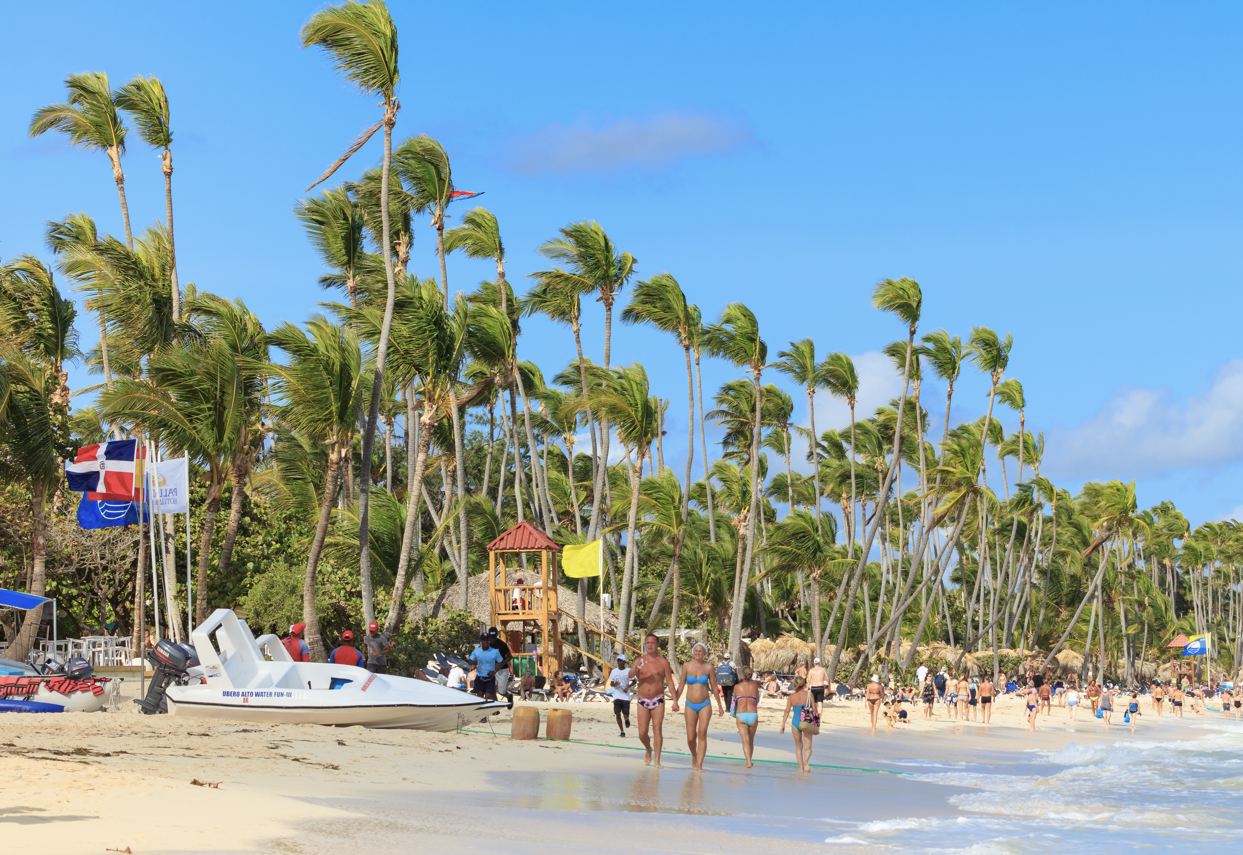
The country operates on two entirely different frequencies in March. While Punta Cana transforms into a high-capacity, loud entertainment hub for North American university spring breakers, the rest of the country is deeply engaged in centuries-old traditions, culminating in the massive National Carnival Parade in Santo Domingo on March 15.
- The Trap: Expecting a quiet, romantic retreat in Bávaro or El Cortecito, only to be surrounded by daily DJ pool parties and booze cruises.
- The Strategy: For a peaceful escape, head to the northern coast or the interior cacao farms. For authentic culture, hit the capital’s Malecón for the Carnival finale, but secure a VIP viewing platform to avoid the chaotic, inflated-bladder-wielding crowds.

4. Late March Triggers Massive Internal Migration
Secular celebrations quickly pivot to deeply religious roots as Palm Sunday hits on March 29, officially kicking off Semana Santa (Holy Week). This triggers the largest internal tourism migration of the year, as locals leave the cities en masse for the beaches and mountain towns.
- The Trap: Assuming the resorts will empty out as international spring breakers leave, only to find hotels completely sold out by domestic travelers.
- The Reality: Road closures, massive traffic spikes, and skyrocketing accommodation prices become the norm in the final days of the month. Travelers must secure bookings well in advance to avoid the surge.


5. The Entry Rules Have Changed
Navigating the customs hall requires strict adherence to new digital protocols. The government has fully transitioned to a mandatory digital E-Ticket system, but it has also introduced a massive, temporary respite for specific international passports.
- The Trap: Getting denied boarding at the departure gate because the mandatory Dominican Republic E-Ticket was not filled out online prior to arriving at the airport.
- The Advantage: Until the end of 2026, travelers from the US, Canada, the UK, and the EU no longer need six months of passport validity. The passport only needs to be valid for the duration of the stay, saving last-minute travelers from expedited renewal fees. HOWEVER: Be sure to check with your airline, as some airlines may have their own policy separately.
The March Playbook
The Dominican Republic is hitting its peak travel window. Tap a card to discover how to navigate the logistical roadblocks, dodge the sargassum, and travel like a seasoned expert.
SARGASSUM
Severe Algae Influx
TAP TO REVEALWHALE SEASON
Mothers & Calves
TAP TO REVEALMARCH CROWDS
Spring Break vs. Carnival
TAP TO REVEALHOLY WEEK
Internal Migration
TAP TO REVEALENTRY RULES
E-Tickets & Passports
TAP TO REVEALMarch Is A Great Time To Visit
Visiting the Dominican Republic in March offers the absolute best weather of the year, but it demands smart navigation.
By dodging the sargassum on the southern coast, locking down digital entry forms early, and understanding the distinct cultural shifts from Carnival to Holy Week, visitors can bypass the tourist traps and experience the island at its absolute peak.
Subscribe to our Latest Posts
Enter your email address to subscribe to Dominican Republic Sun’s latest breaking news affecting travelers, straight to your inbox.