Booking a Caribbean vacation between June and November always triggers the exact same wave of anxiety. For travelers eyeing a summer escape to the Dominican Republic, the looming threat of the Atlantic hurricane season is usually the biggest hesitation before clicking “confirm” on a flight.
We can see exactly what the world’s top weather agencies are forecasting for the eastern Caribbean.
The good news is that the massive, catastrophic storms that dominate the news cycle are statistically rare for this specific corner of the island. However, understanding the seasonal weather patterns is crucial for managing your expectations.
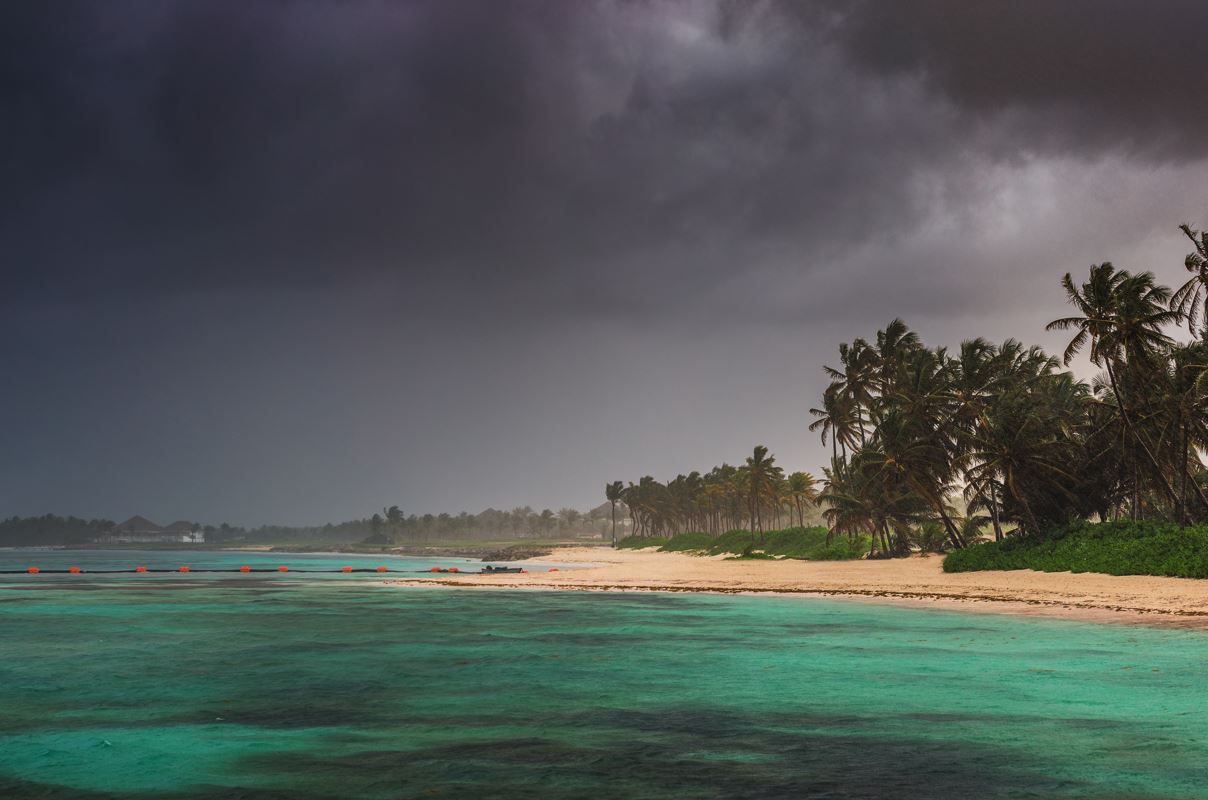
If you have a trip planned to Bávaro or Cap Cana this summer, you do not need to panic, but you absolutely need to be prepared.
From the official 2026 meteorological predictions to the reality of the local hotel infrastructure, here are the top five things you need to know about navigating the upcoming hurricane season.
1. The 2026 Forecast is “Below Average”
The leading authorities on tropical weather, including Colorado State University, just released their official predictions for the 2026 Atlantic hurricane season, and the outlook is highly favorable for Caribbean travelers.
- The El Niño Factor: Meteorologists are predicting a slightly below-average season, driven heavily by a developing El Niño. This climate pattern generates strong upper-level winds across the Atlantic that effectively tear storms apart before they can fully organize and intensify.
- The Numbers: The forecast is calling for roughly 13 named storms and six hurricanes for the entire Atlantic basin. While sea surface temperatures remain incredibly warm, the increased wind shear from El Niño is expected to act as a massive atmospheric shield for the Caribbean.
- The Reality Check: While a “below average” season is fantastic news, experts always caution that it only takes one storm making landfall to disrupt a vacation. You should never let a quiet forecast completely eliminate your baseline travel preparations.
2. Punta Cana’s Geographic Shield
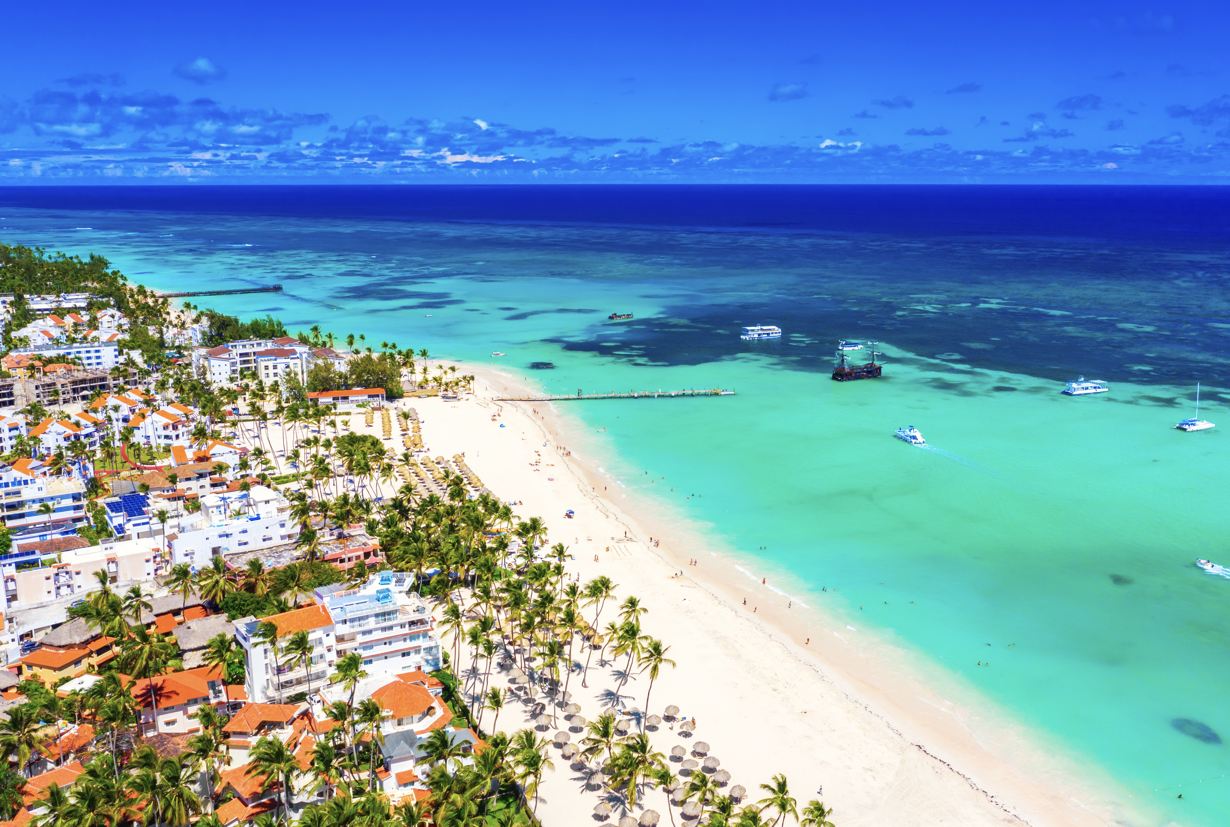
When tourists look at a map, the Dominican Republic seems like a sitting duck in the middle of the ocean. In reality, Punta Cana benefits from incredibly lucky geography that protects it from the majority of direct impacts.
- The Mona Passage: Punta Cana sits right on the eastern tip of the island, bordered by the Mona Passage. Historically, major storms moving west across the Atlantic tend to either deflect north toward the Bahamas or dip south toward Jamaica, completely bypassing a direct hit on the Bávaro coastline.
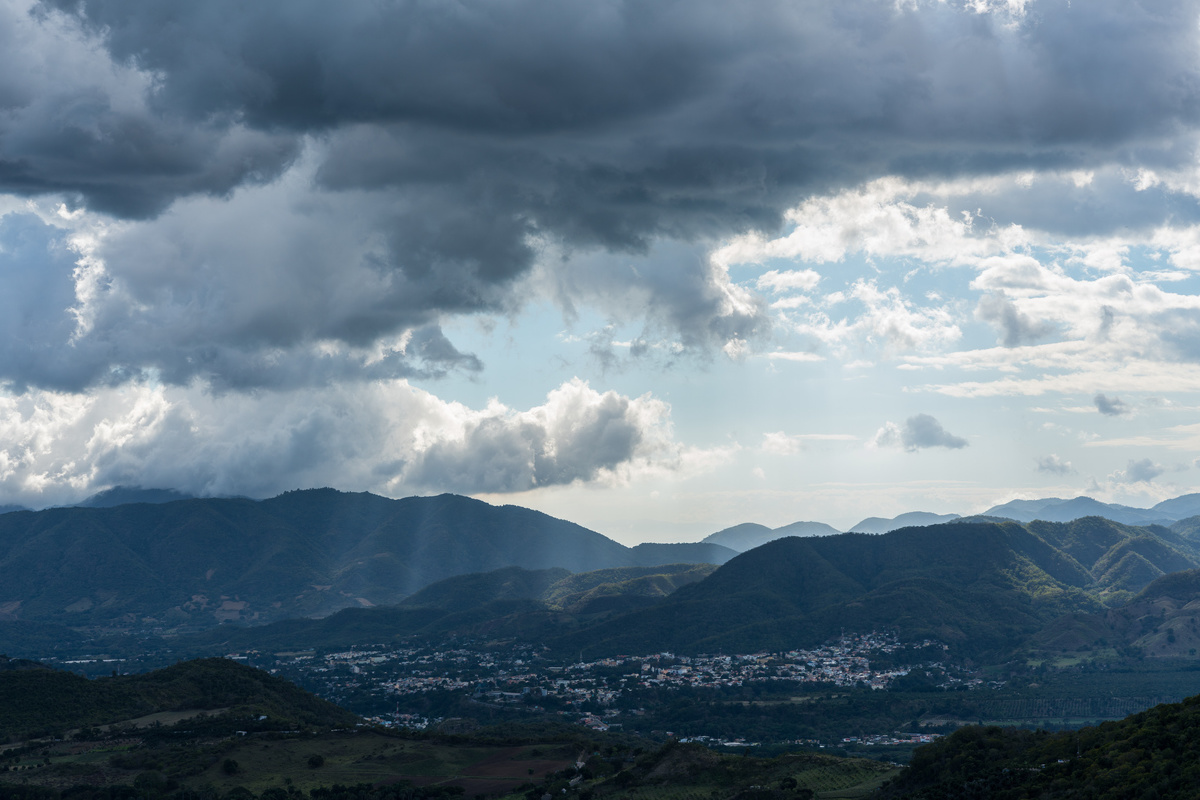
- The Mountain Buffer: The Dominican Republic boasts the highest mountain ranges in the entire Caribbean (the Cordillera Central). When disorganized tropical storms do cross the island, these massive peaks act like a natural wall, severely disrupting the cyclonic rotation and quickly downgrading the wind speeds.
3. The Real Threat: Multi-Day Rain Events
If you are traveling in August or September, you are far less likely to encounter a Category 5 monster storm and far more likely to deal with a disorganized tropical depression.
- The Washout Risk: The primary threat to a summer vacation isn’t catastrophic wind; it is the sheer volume of water. Slow-moving tropical waves can dump massive amounts of rain over the eastern coast for two or three days straight.
- The Excursion Impact: While the resorts are perfectly safe during these heavy rain events, local authorities will immediately shut down all maritime activities. Catamaran tours, scuba diving, and deep-sea fishing charters will be canceled until the port captains deem the ocean safe again.
- The Indoor Pivot: If your weather app shows a tropical wave approaching, immediately use your resort app to book indoor spa treatments or secure reservations at the premium a la carte restaurants before the rest of the hotel guests get the same idea.

4. The Mega-Resorts Are Built Like Fortresses
Tourists often picture Caribbean hotels as fragile, thatched-roof huts that will blow away in a strong breeze. The reality of modern Punta Cana architecture is entirely different.
- The Building Codes: The premium 5-star properties in Bávaro and Cap Cana are built to extremely strict, hurricane-proof engineering standards. They utilize heavily reinforced concrete, high-impact storm glass, and massive backup industrial generators.
- The Protocol: In the rare event a major storm does approach, these mega-resorts operate like well-oiled machines. They have sophisticated evacuation plans, designated concrete storm shelters stocked with food and water, and direct communication lines with the local tourist police (POLITUR).
2026 Hurricane Guide
5. The Insurance “Naming” Loophole
Buying travel insurance during hurricane season is an absolute must, but thousands of tourists make a massive timing error that completely voids their coverage.
- The Golden Rule: You must purchase your travel cancellation and interruption policy before a tropical depression is officially given a name by the National Hurricane Center.
- The Loophole: Once a storm is officially named, it becomes a “known and foreseeable event” in the eyes of the insurance industry. If you try to buy a policy the day after the storm makes the evening news, any claims related to that specific hurricane will be instantly denied.
- The Strategy: Secure a comprehensive travel medical and cancellation policy the exact same day you book your flights and resort. This guarantees you are fully protected financially, regardless of what the Atlantic Ocean decides to do.
The Final Summer Outlook
Do not let the fear of a storm stop you from booking a summer trip to the Dominican Republic. With experts calling for a quieter 2026 season and the massive mega-resorts equipped to handle severe weather, your odds of a flawless, sun-drenched vacation are incredibly high.
Just pack your travel insurance, monitor the forecasts before you fly, and get ready to enjoy the warm Caribbean water.
Subscribe to our Latest Posts
Enter your email address to subscribe to Dominican Republic Sun’s latest breaking news affecting travelers, straight to your inbox.