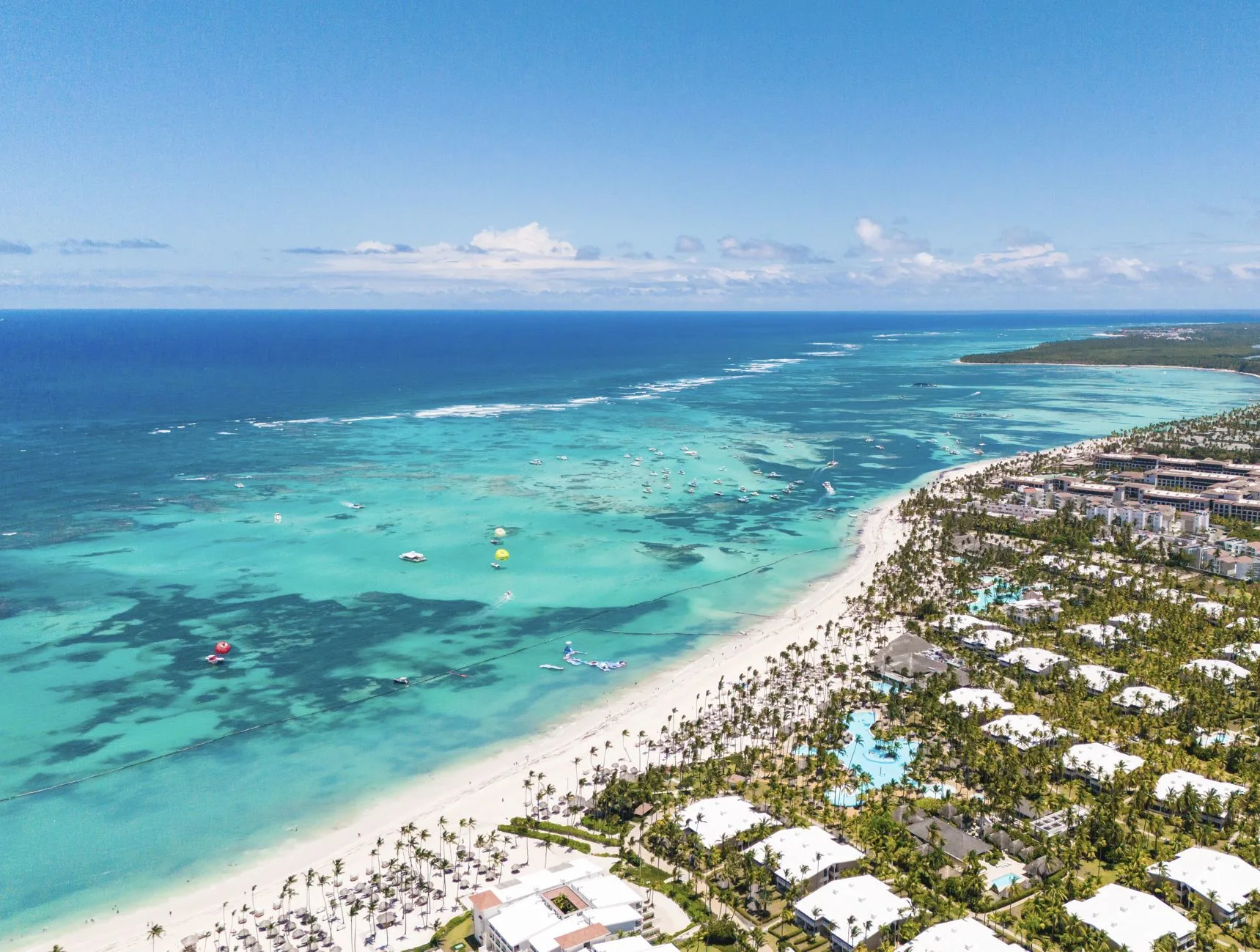
The Dominican Republic boasts some of the most spectacular coastlines on the planet, but a massive misconception haunts the eastern edge of the island: the idea that the pristine white sands are exclusively owned by the luxury mega-resorts. Tourists frequently assume that unless they are paying hundreds of dollars a night to stay at a heavily guarded property in Bávaro or Cap Cana, the ocean is completely off-limits.
This is fundamentally untrue. The country has a surprisingly robust legal framework designed to protect the coastline for everyone. However, the geographic reality on the ground creates a frustrating paradox for independent travelers.
While the sand itself belongs to the public, the path required to actually reach that sand is often a completely different story.

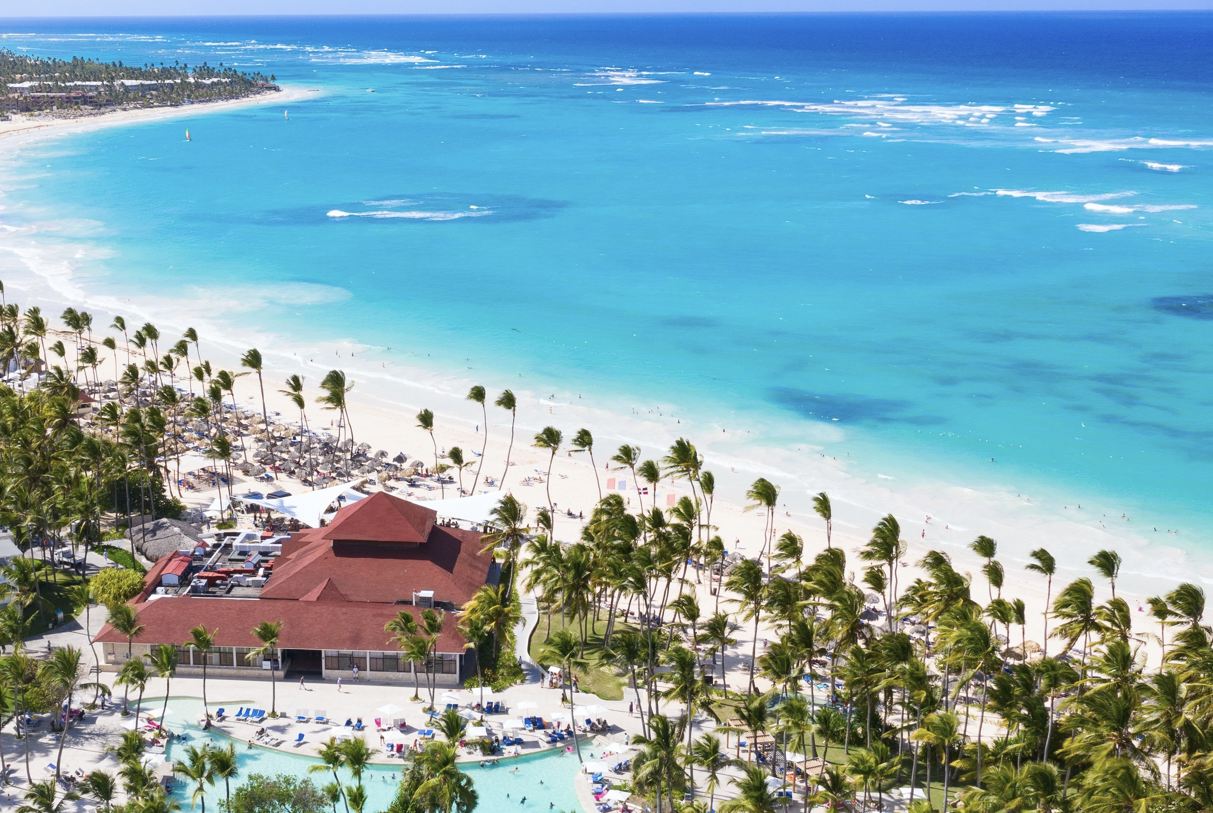
Navigating this coastal landscape requires knowing exactly where the public domain begins and where the private property ends.
For those looking to explore the turquoise waters beyond the confines of an all-inclusive package, understanding the local laws and the hidden access points is the ultimate key to unlocking Punta Cana.
The Constitutional Reality of the 60-Meter Rule
The legal foundation of Dominican beach access is incredibly clear, rendering the phrase “private beach” entirely illegal. Under Law No. 305-68 and the General Environmental Law (64-00), the Dominican Constitution explicitly declares that the coastline is an inalienable public good. Specifically, the first 60 meters of land measured from the high-tide line cannot be privatized, seized, or sold to any corporation.
- The Law: Every single beach in the country is public domain, strictly protected for open and free use by both citizens and tourists.
- The Catch: While the 60-meter strip of sand is public, the land sitting directly behind that 60-meter line can be entirely private.
- The Reality: Mega-resorts simply buy massive tracts of land right up to the 60-meter mark, effectively creating a wall of private property that blocks anyone from easily walking from the main highway to the
water.
How Mega-Resorts Create an Illusion of Privacy
Because the hospitality conglomerates own the terrestrial access routes, they project an illusion of total exclusivity. Security guards patrol the resort perimeters, and massive walls separate the roads from the shore. This forces non-guests to either walk miles down the coastline from a distant starting point or attempt to navigate the heavily monitored hotel lobbies.
- The Trap: Attempting to walk through a resort lobby to reach the beach without a guest wristband, which will immediately result in security escorting non-guests off the premises.
- The Workaround: Travelers are completely free to walk along the shoreline for miles, crossing directly in front of luxury hotels. Resort security cannot legally stop anyone from swimming, walking, or sitting on the sand within the 60-meter public zone.
- The Fix: Instead of battling hotel security, visitors must utilize specific, government-mandated public access corridors that weave between the private developments.


The Best Public Access Gateways in Bávaro
Fortunately, several official public access points break up the endless wall of resorts. These corridors are well-known to locals but often missed by tourists who don’t know where to look. They offer direct, legal pathways from the local roads straight to the world-famous Bávaro coastline.
- Bibijagua Access Point: Located near the Barceló resorts, this is one of the widest and most popular public entries. It features a massive local market with dozens of stalls, offering easy access to the sand and plenty of parking.
- El Cortecito and Los Corales: This area represents the “real” Dominican beach town vibe. Unrestricted pathways lead directly to the water, where the shoreline is packed with independent beach bars, fresh seafood shacks, and a lively, energetic atmosphere.
- Playa Macao: Located about 20 minutes north of the main hotel zone, Macao is a massive, completely public beach untouched by the mega-resorts. It is famous for its golden sand, dramatic waves, and vibrant local surfing culture.


The “Restaurant Loophole” for Premium Shorelines
If the official public access paths are too crowded, there is a brilliant loophole for accessing the more secluded, upscale stretches of sand. Many premium beachfront restaurants and independent beach clubs operate on land that sits right between the massive resorts.
- The Strategy: Head to renowned beachfront establishments like Jellyfish Restaurant or Playa Blanca. By simply purchasing a meal or a cocktail, visitors gain entry to the property, which opens up directly onto some of the most pristine and beautifully maintained sections of the coast.
The 60-Meter Rule
Luxury mega-resorts do not own the ocean. Tap a card to unlock the legal rights, secret pathways, and loopholes you need to access Punta Cana’s spectacular pristine beaches.
60-METER RULE
Constitutional Rights
TAP TO REVEALTHE ILLUSION
Bypassing Security
TAP TO REVEALPUBLIC ACCESS
Bávaro’s Best Paths
TAP TO REVEALTHE LOOPHOLE
Premium Shorelines
TAP TO REVEALHit the sand!
No hotel, regardless of its nightly rate, owns the ocean in the Dominican Republic. The constitution guarantees that the first 60 meters of sand are completely public.
By bypassing the private resort lobbies and utilizing the dedicated public access corridors or beachfront restaurants, any traveler can enjoy the absolute best of Punta Cana’s world-class coastline without restrictions.
Subscribe to our Latest Posts
Enter your email address to subscribe to Dominican Republic Sun’s latest breaking news affecting travelers, straight to your inbox.