
Punta Cana is famous for its “no shoes, no shirt, no problem” philosophy. It’s the primary reason so many travelers are ditching the rigid, high-pressure environment of Cancun and pivoting to the Dominican Republic. Here, the vibe is genuinely relaxed, the locals are easy-going, and the “resort bubble” offers a level of freedom you won’t find in many other Caribbean hubs.
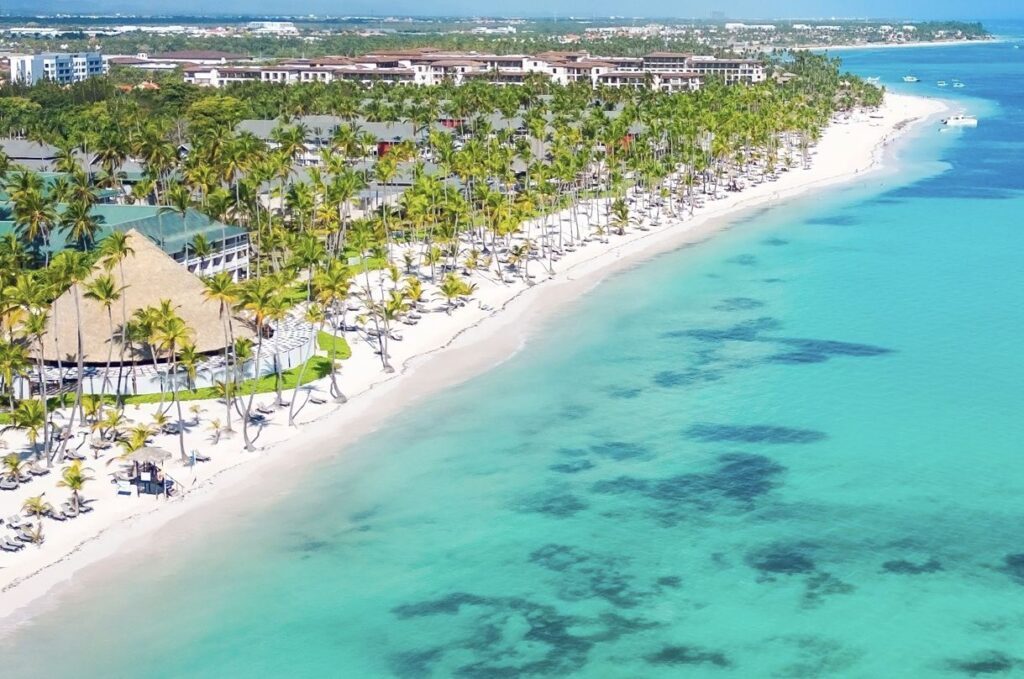
However, “laid back” doesn’t mean “lawless.” To keep these world-class beaches pristine and safe, there are some hard lines in the sand you need to know about. Some are environmental, but one or two are weirdly specific to Dominican law.
Before you pack your cooler or your favorite tropical shirt, here are the 5 things strictly prohibited on Punta Cana beaches—and a few surprising things that are actually encouraged.
The Prohibited List: What You Can’t Do On Punta Cana Beaches
1. Glass Containers
This is the golden rule of the shoreline. Whether you are at a high-end beach club in Cap Cana or a local spot like Playa Macao, glass is a non-starter. Broken glass in the sand is a nightmare for barefoot travelers and marine life alike. If you’re bringing your own drinks, keep them in cans or plastic—security and hotel staff are surprisingly sharp at spotting a glass bottle from a distance.

2. Unauthorized Bonfires
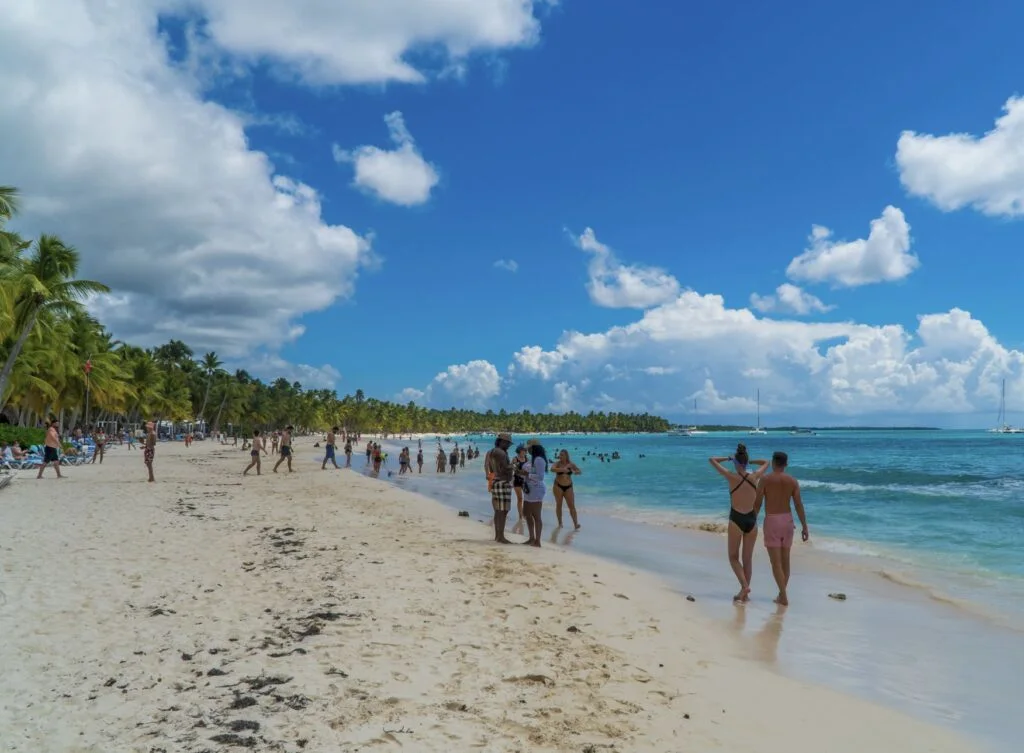
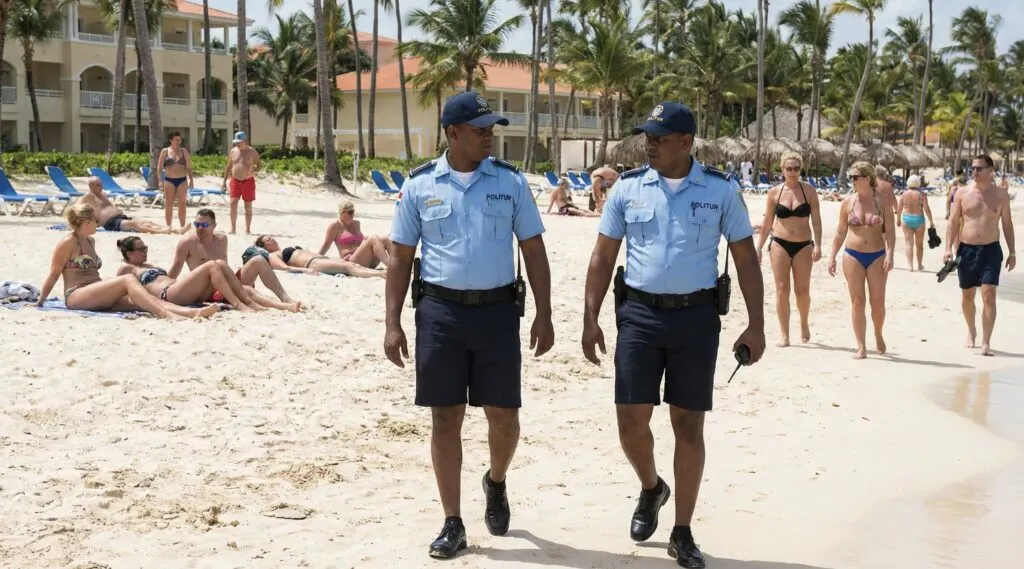
We all have that “movie moment” dream of a late-night fire on the beach, but in Punta Cana, it’s a major red flag. Outside of specifically authorized resort events, building a bonfire is prohibited. This is largely due to environmental protections—especially during sea turtle nesting season (May to October). Unauthorized fires can lead to heavy fines or an immediate escort off the beach by POLITUR (the tourist police).
3. Camouflage Clothing
This is the one that catches Americans off guard every single time. In the Dominican Republic, camouflage is reserved strictly for the military and police. It is technically illegal for civilians to wear camo patterns. While you might get a pass for a small camo-print bikini, wearing full camo shorts, hats, or bags can lead to your items being confiscated or, in rare cases, a very uncomfortable conversation with local authorities. Leave the “tactical” look at home.

4. Fireworks
You might want to celebrate your honeymoon with a bang, but personal fireworks are a big “no.” Aside from the fire risk to the thatched-roof palapas that line the coast, the noise and chemical runoff are strictly regulated. Unless it’s a professional show run by a resort with a government permit, don’t even think about lighting a fuse.
5. Motorized Vehicles on the Sand
You’ll see plenty of ATV tours in the countryside, but driving them onto the actual beach sand in the main resort zones is a massive violation. To protect the dunes and the safety of sunbathers, motorized vehicles are kept far back from the water’s edge. If you want to ride, stick to the designated off-road trails.


The Surprising List: Things You Can Actually Do
Now for the good news. Because Punta Cana is so relaxed, there are several things you can do here that would get you a “stern talking to” or a ticket in the U.S. or parts of Mexico.
Open Alcohol is Allowed
In many US beach towns, you have to hide your beer in a “Solo” cup like a teenager. Not here. Open alcohol is perfectly legal on Punta Cana beaches. As long as you aren’t using glass, you can walk along the shoreline with a Presidente in your hand or a rum punch in a plastic cup. The beach isn’t just for the resort guests; the entire coast is open for you to enjoy a drink while you walk.

Smoking and Vaping are Legal
While many global destinations are moving toward total beach smoking bans, the Dominican Republic remains incredibly permissive. Smoking and vaping are legal on the beach. The only caveat is common sense: respect your neighbors. If the wind is blowing your cigar smoke directly into a family with kids, move down a few yards. Also, the “leave no trace” rule is huge here—don’t bury your butts in the sand; the ocean (and the staff) will thank you.
Public Access is Real
Unlike some destinations where resorts “own” the water, all beaches in the Dominican Republic are technically public. You can walk for miles past the most expensive 5-star resorts in the world, and as long as you stay below the high-tide line, you are legally allowed to be there. It makes Punta Cana feel like one giant, connected community rather than a series of fenced-off VIP zones.
Subscribe to our Latest Posts
Enter your email address to subscribe to Dominican Republic Sun’s latest breaking news affecting travelers, straight to your inbox.