
You are three days into your stay at a sprawling resort in Bávaro. The sun is perfect, the Presidente beer is ice cold, and your biggest worry is whether to hit the pool or the beach. Fast forward six hours, and the dream has collapsed. You are confined to your suite, negotiating a peace treaty with the bathroom tiles, while the rest of your group heads to the steakhouse without you.
The immediate reaction is always the same: “It was the ceviche.” “The ice wasn’t filtered.” “The chicken looked pink.”


While food handling errors do occur, in the high-stakes, high-volume ecosystem of Punta Cana’s 5-star mega-resorts, the food itself is rarely the primary villain. The kitchen protocols at major brands like Hyatt, Riu, and Hard Rock are industrial-grade.
The reality of getting sick in the Dominican Republic is far more complex—and fortunately, far more preventable if you understand the actual biological mechanics at play.
Here is the operational intelligence on why tourists actually go down in Punta Cana, and the specific defense protocols to keep you vertical.

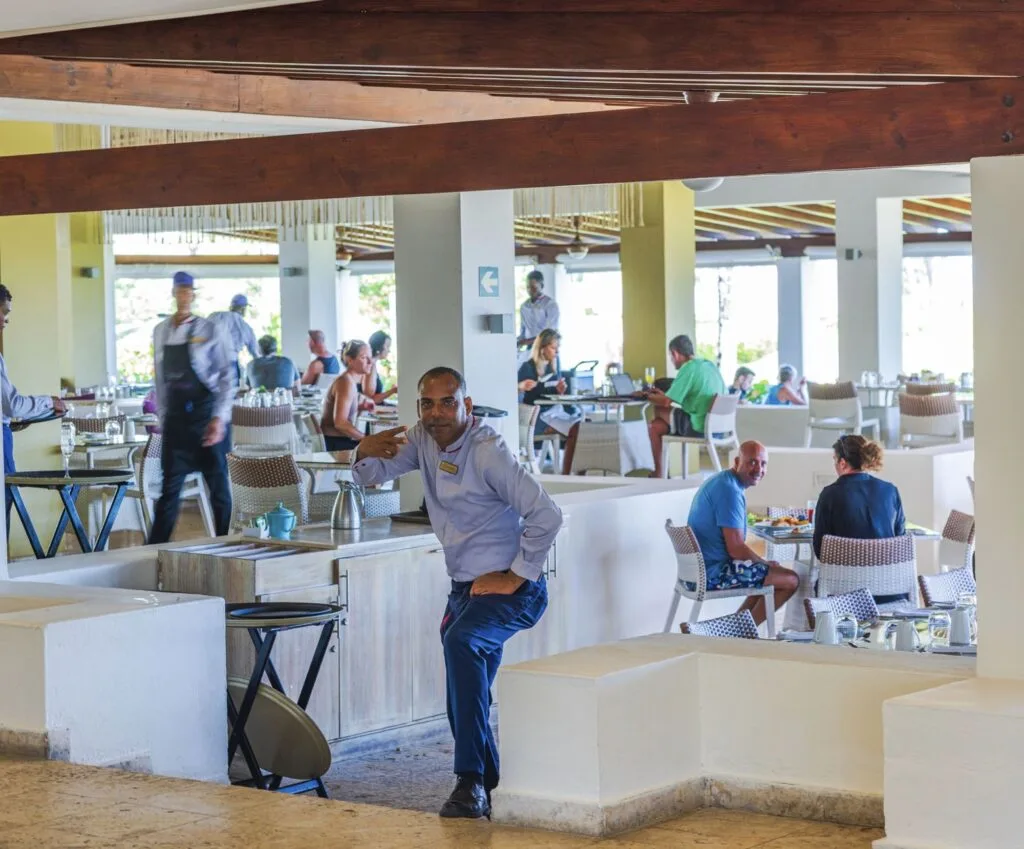
The “Punta Cana Stomach” Is Usually Not Food Poisoning
When illness strikes, most travelers immediately self-diagnose with Salmonella or E. Coli. However, data from tropical travel clinics suggests that three other factors are the actual culprits in the majority of cases.
1. The “Flora Shock” Phenomenon Your digestive system is a biological fortress, but it is calibrated to the specific bacterial profile of your home country. The microbial environment in the Dominican Republic is simply different.
This does not mean the food is “dirty.” It means it is “foreign.” When you introduce new, benign bacterial strains to your gut biome, your system often reacts with a “purge” protocol. This is a system shock, not necessarily a toxicity event. Your body attempts to flush the unknown agents, resulting in the classic “Traveler’s Diarrhea” (TD) that ruins the first 48 hours of a trip.


2. The Norovirus Factor (The Surface War) This is the silent disruptor of the Caribbean high season. Norovirus is not a bacterial infection from undercooked meat; it is a highly contagious virus that thrives on surfaces.
Think about the density of a Punta Cana resort. You have 2,000 guests touching the same elevator buttons, the same handrails, and the same lobby door handles. If a single guest carries the virus, they turn those surfaces into vectors. You touch the button, then you touch your mouth. You blame the burger you just ate, but the enemy was on your finger before you even walked into the restaurant.

3. The Dehydration “False Positive” The Dominican sun is deceptive. The trade winds keep you cool, but the UV index dehydrates you rapidly. Combine six hours of sun exposure with sugary, alcohol-heavy cocktails (and zero water intake), and you have a recipe for heat exhaustion.
The symptoms of severe dehydration—nausea, dizziness, headache, and stomach cramping—are nearly identical to early-stage food poisoning. Many travelers spend $200 on a doctor only to be told they just need three liters of water and some electrolytes.
3 Operational Hacks To Protect Your Trip

You cannot sterilize the entire island, but you can significantly lower your risk profile by altering your behavior in three specific zones.
1. The Buffet Tong Protocol This is the single most dangerous object in the entire resort. Watch the buffet line at peak hours. You will see hundreds of people handling the same pair of tongs to grab the bread rolls.
- The Threat: Even if the bread is fresh out of the oven, the handle of the tongs is a biological history of everyone who ate before you.
- The Fix: Treat the buffet line like a surgical theater. Load up your plate using the tongs, but do not touch any food with your hands while you are standing there. Once you return to your table, use hand sanitizer (60% alcohol minimum) to sterilize your hands before you take your first bite. You must break the chain of transmission between the public tool and your mouth.

2. The “Sealed Bottle” Discipline This is non-negotiable in the Dominican Republic. The tap water is not potable. Even locals do not drink from the tap. While resorts have massive filtration systems, the piping in the walls can still introduce contaminants your stomach isn’t ready for.
- The Fix: Apply the “Bottle-Only” rule to everything.
- Brushing Teeth: Keep a bottle of water next to the bathroom sink. Do not autopilot and use the tap.
- The Shower: Keep your mouth closed. It sounds paranoid, but ingesting a small amount of untreated water is enough to trigger a sensitive stomach.
- The Coffee: Do not fill the in-room coffee maker from the bathroom tap. Use a bottle.
3. The Transit Shield The journey to the resort is often the highest-risk period for viral infection. You are packed into a pressurized metal tube for four hours, then shuffled into an immigration line with thousands of other weary travelers, and finally packed into a shuttle van.

- The Fix: It isn’t fashionable, but wearing a high-quality mask (N95) during the transit phase is the best insurance policy you can buy. Protect yourself in the airport and the shuttle. Once you step into the open-air lobby of your hotel and feel that Caribbean breeze, take it off. Protecting your immune system during that high-stress travel window prevents you from waking up with a sore throat on Day 2.
The “In-Room” Contingency: Resort Medical Services
If prevention fails and you do go down, you are not stranded in the jungle. The medical infrastructure in Punta Cana is robust, but it is expensive.
Most major resorts (Hyatt, Secrets, Majestic, Riu) have 24/7 medical centers on-site or on-call.

- The Protocol: You do not need to call a taxi. Call the front desk. A licensed doctor will come to your room to assess you.
- The Cost Reality: This is a premium service. Expect to pay a “consultation fee” of $150 to $250 USD immediately. This usually does not include the cost of medication (antibiotics or anti-nausea shots).
- The Insurance Gap: These doctors generally do not accept travel insurance or US health insurance upfront. You must pay out of pocket (credit card is fine), keep the itemized receipt, and file a claim for reimbursement when you get home.
Getting sick is not an inevitability. By treating the buffet utensils with caution, strictly controlling your water source, and staying hydrated, you can ensure the only thing you bring home from Punta Cana is a tan.
Subscribe to our Latest Posts
Enter your email address to subscribe to Dominican Republic Sun’s latest breaking news affecting travelers, straight to your inbox.